

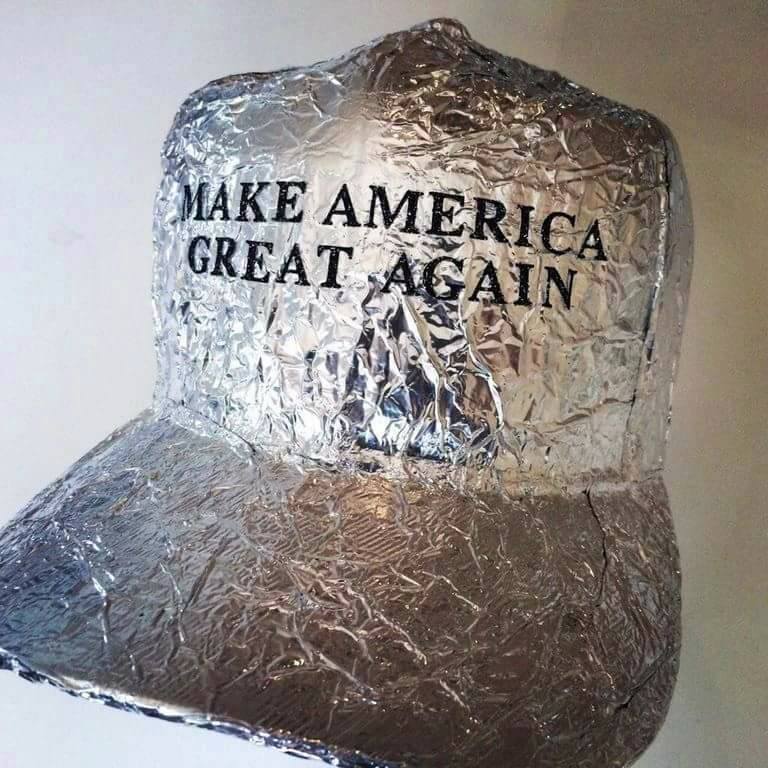
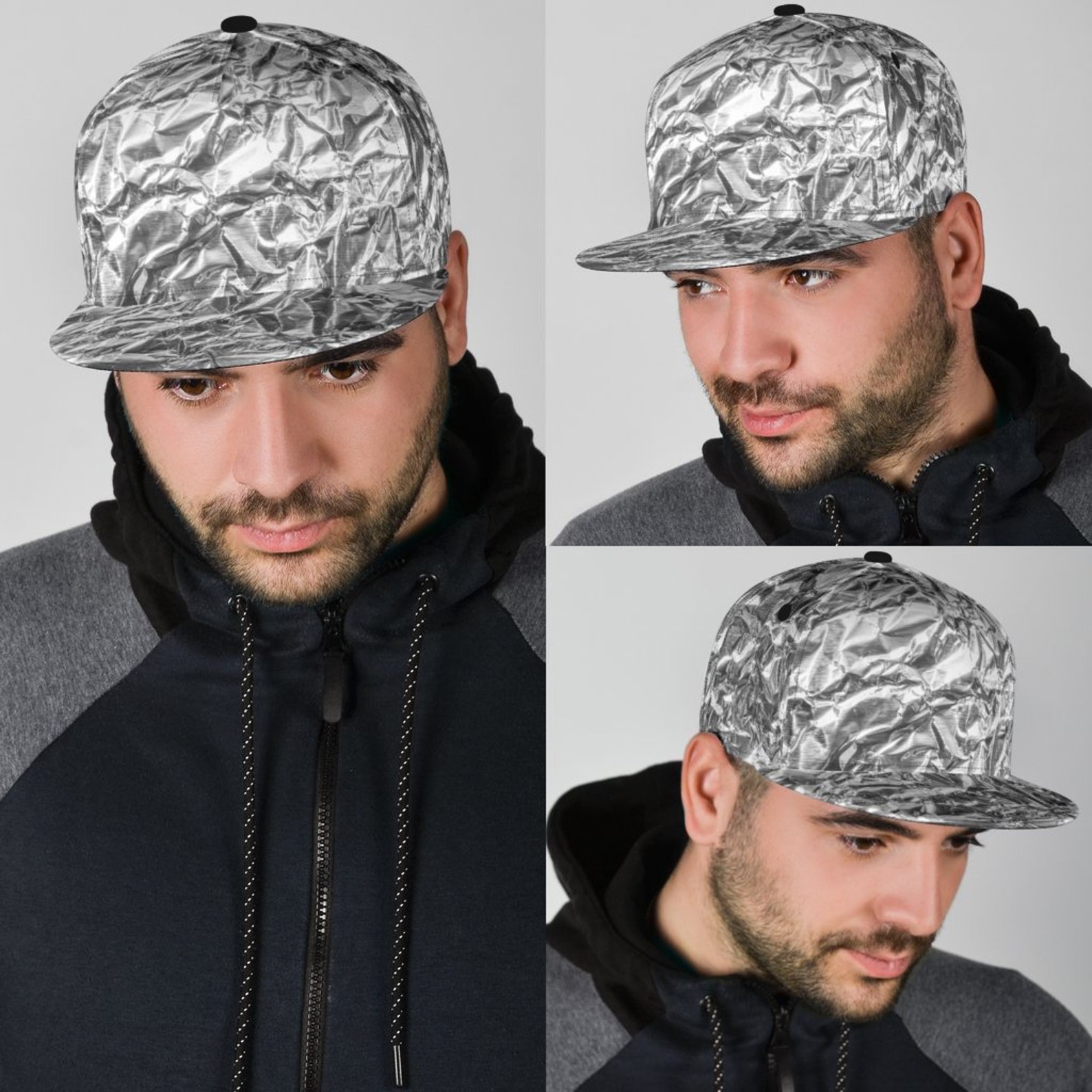
The use of tin foil hats is a commonly recognized representation of people who exhibit signs of paranoia and subscribe to theories involving conspiracies. There are individuals who think that the act of wearing a hat made of tin foil can serve as a means of avoiding the government from exerting control over their thoughts.
The hats are made of aluminum foil, a material renowned for its capability to impede electromagnetic radiation. There is a band of individuals who subscribe to the theory that the use of tin foil hats can serve as a protective measure against perceived threats such as chemtrails, mind control, and alien abduction.
people wearing tinfoil hats is really a psychiatric condition seen as a an excessive and unwarranted suspicion of others. There are people wearing tinfoil hats that can donate to this condition, such as genetics, traumatic experiences, suppressed emotions, and a past history of abuse. Additionally, it could manifest because of specific medications, such as for example anxiolytics or antipsychotics. Individuals who exhibit symptoms of paranoia may experience challenges in placing trust in medical professionals such as physicians or psychiatrists, which may result in reluctance to pursue medical intervention. Some individuals may exhibit reluctance or refusal to take medication. how do you make a tinfoil hat for paranoia include psychotherapy, cognitive behavioural therapy, and group therapy.
A subset of individuals who subscribe to conspiracy theories have been observed to don tin foil hats with the belief that it'll serve as a safeguard against purported government mind control, chemtrails, alien abduction, and other paranormal hazards. It is believed by a lot of people that the usage of tin foil can serve as a protective measure against radiofrequency (RF) and electromagnetic fields (EMF), which are usually linked to various health issues including cancer, dementia, and Alzheimer's disease.
Individuals who exhibit paranoid tendencies may lack knowing of their condition and may perceive their anxieties as rational. It really is imperative to provide support and encourage individuals to get assistance from a qualified professional. It is advisable to avoid dismissing their experiences or labeling them as delusional or disconnected, therefore responses may exacerbate their distress and erode their confidence in you. It will be advisable to supply reassurance and offer to accompany the given individual to their doctor or contact the SANE line.
The topic of conspiracy theories.
It's been observed that a lot of people wear a hat that is lined with aluminum foil beneath the assumption that it can obstruct electromagnetic radiation and deter the federal government from participating in mind control and surveillance of everyone. This assertion is founded on the principle that a conductive enclosure can impede electromagnetic fields and radio waves, akin to the Faraday cage phenomenon. However, this theory is predominantly a result of pseudoscientific practices and lacks substantial scientific evidence.
Conspiracy theories are a type of epistemic inclination seen as a the conviction that consequential occurrences will need to have been orchestrated by a deliberate agent. In accordance with Douglas et al. (2019), conspiracy theories tend to be widespread during periods of uncertainty, and when individuals perceive evidence-based explanations as unsatisfactory. Individuals who hold conspiracy beliefs tend to refuse government interventions aimed at enhancing vaccination rates or safeguarding personal privacy, according to Jolley and Douglas (2017).
Individuals who identify with the "truth movement" have begun to don tin foil hats as a means of mitigating perceived adverse impacts of contemporary technology. This behavior is founded on the premise that contact with electromagnetic fields and radio waves may lead to health issues, including however, not limited to cancer along with other ailments. In certain instances, they have employed diverse electronic devices to detect imperceptible radiation. Although tin foil can provide some degree of electromagnetic signal blocking, its effectiveness is comparatively less than other materials.
Electromagnetic hypersensitivity (EHS) is really a condition seen as a the reported sensitivity of people to electromagnetic fields (EMF) at levels below those that would cause adverse health effects in the overall population.
Although tin foil hats are often connected with paranoia and conspiracy theories, there are individuals who experience an authentic medical condition known as electromagnetic hypersensitivity (EHS). The syndrome is seen as a a range of symptoms such as for example headaches, bodily discomfort, fatigue, paresthesia in the extremities, tinnitus, nausea, a sensation of burning, and palpitations of the center. Even though http://budtrader.com/arcade/members/commavase4/activity/2560188/ has discredited this problem as psychosomatic, individuals with EHS have found rest from their symptoms through various treatment options.
Individuals with Electromagnetic Hypersensitivity (EHS) frequently utilize copper wire shielding as a way to manage their symptoms and safeguard themselves against radiofrequency radiation (RFR). They assert they refrain from using devices that emit Radio Frequency Radiation (RFR), such as cell phones, Wi-Fi routers, televisions, and electrical appliances. Certain individuals take measures to refrain from going out, residing in hotels, or visiting acquaintances and relatives whose households include electronic devices.
Although mainstream science has largely dismissed this condition, it is noteworthy that one studies have indicated that individuals with EHS may experience adverse physical symptoms in reaction to specific environmental cues. Hence, it really is imperative for scientists to devise more pertinent examinations to recognize symptoms of EHS and mitigate exposure to environmental stimuli that could elicit them. Furthermore, it is imperative that individuals experiencing Electromagnetic Hypersensitivity (EHS) seek appropriate medical assistance.
The subject matter concerns the Illuminati.
The theory of the Illuminati conspiracy is a prevalent notion of paranoid ideation in contemporary society. There are rumors circulating that suggest the existence of a secret society that wields significant influence over global affairs, including governments and high-profile individuals. There are individuals who assert that the Illuminati is responsible for a variety of issues, including but not limited to global warming and the NSA surveillance controversy. The idea of a conspiracy theory includes a lengthy historical background. The idea gained popularity in the 1960s amidst the counter culture movement. It's been the topic of literary works, motion pictures, and television productions.
The authentic establishment of the Illuminati goes back to 1776 and was initiated by Adam Weishaupt, a disenchanted Bavarian Jesuit. However, the precise objective of the organization remains ambiguous. Weishaupt held the belief that the church and monarchy were suppressing the freedom of thought. In the end, the group was suppressed and subsequently disbanded.
Currently, there is a widespread belief among people that the Illuminati continues to exist. Advocates of the theory frequently cite government officials and celebrities as potential members of the group. Additionally it is believed by some that the eye-in-a-triangle symbol featured on the reverse side of the united states dollar bill represents an emblem of the Illuminati. It is believed that the occult is concealed in various forms, such as the structural design of contemporary edifices and the composition of currency.
Individuals who don headgear manufactured from aluminum foil assert that the said hats serve as a safeguard contrary to the impact of electromagnetic fields and radiation. Additionally, they assert that the hats provide protection against mind control and mind reading. Although the notion of wearing a tin foil hat lacks scientific evidence, it has evolved into a stereotype and a term commonly connected with paranoia and the acceptance of conspiracy theories.